Maintaining the health of agricultural soil is no longer enough; we must restore its optimal chemical, physical, and biological balance, which has been degraded over decades of intensive use. This restoration should prioritize environmental sustainability and enhance our planet's resilience to climate change.
Over the past several decades, monocultures, particularly of crops like corn and rice, have been prevalent in many global agricultural regions. While rice cultivation justifies monoculture due to its unique growth requirements (such as submersion during part of its life cycle), corn should ideally be grown in rotation with other crops to maintain the soil’s health.
The reduction in the use of organic fertilizers, especially manure, due to changes in livestock farming practices, has shifted nutrient supply toward synthetic fertilizers and liquid livestock waste. Despite this, the organic matter in many agricultural lands has decreased significantly, often falling below the critical 2% threshold—a clear indication of the deteriorating soil health.
Both conservative and regenerative agricultural practices aim to restore the soil, focusing on enriching the land that has long been depleted of its essential nutrients. This goal is integrated with broader objectives, particularly enhancing environmental protection and resilience to climate change.
To achieve these objectives, various cultivation practices must be implemented. Some of these involve revitalizing traditional techniques with modern advancements, while others introduce new solutions—all while optimizing productivity to ensure the financial viability of these sustainable practices.
Key methods such as crop rotation, intercropping, green manure, and cover crops have become vital for farms focused on soil conservation and fertility improvement. These practices are not only crucial for the local ecosystem but also have a significant impact on global environmental health.
Crop Rotation
Crop rotation plays an essential role in improving soil fertility, structure, and the rational use of water and nutrients. It helps prevent the spread of pests and diseases and combats soil erosion. Crop rotation can be structured either as a fixed pattern repeated every 2-5 years or a flexible approach tailored to a farm’s specific needs.
Crops are classified into three types:
- Preparatory crops: These crops, like beets and potatoes, provide essential nutrients for subsequent crops.
- Enhancing crops: These crops, such as legumes and grasses, improve soil health by restoring its chemical, physical, and biological balance.
- Impoverishing crops: Crops like wheat, barley, and rice can deplete soil nutrients.
By alternating these crop types, with practices like using grass either as a rest period for the land or for fodder production, farms can improve water retention and soil fertility.
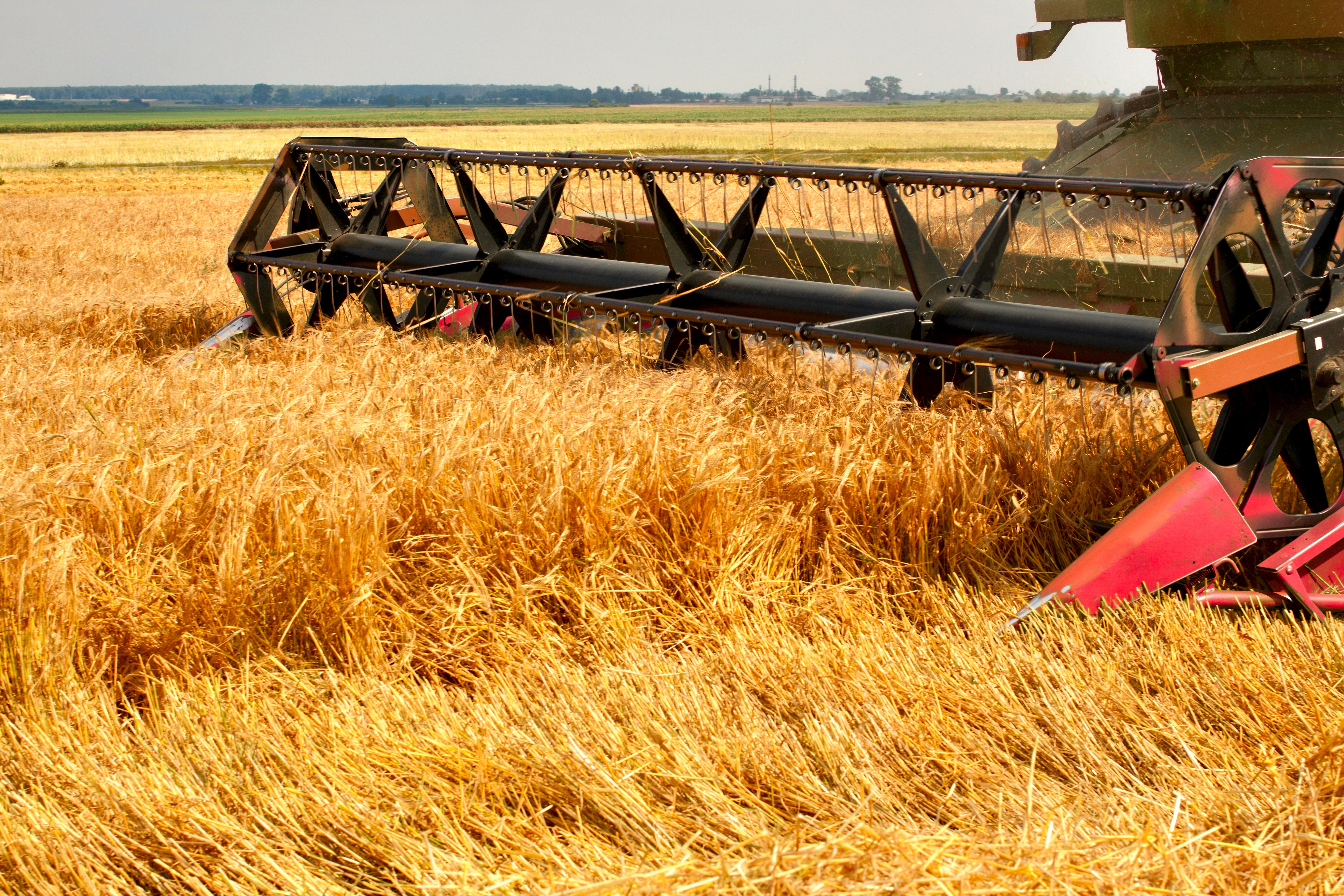
Mechanization plays a significant role in crop rotation, especially when different crops require different tools for planting, harvesting, and soil preparation. For instance, seeders for corn need to be precise, while those for wheat or barley can be more universal. Specialized equipment, such as haymaking machinery, is required if the rotation includes fodder crops.
Intercropping
Intercropping—growing different species together in the same field—extends the principles of crop rotation and can provide synergistic benefits. For example, cereal-legume intercropping is a widely practiced combination where cereals, competitive in nutrient uptake, are grown alongside legumes, which fix nitrogen in the soil, benefiting both crops.
Another form of intercropping combines tree crops with herbaceous plants, providing benefits such as windbreaks and additional sources of income in areas unsuitable for herbaceous crops due to slopes or other constraints. Popular combinations include vines and olive trees with fodder crops, or olive and lemon trees, where the olive trees provide shade that reduces sunburn and water loss in lemon trees.
While intercropping is more complex from a mechanization perspective, it is possible to minimize soil disturbance and allow crops to coexist with minimal impact. Specialized machinery is required to respect the specific needs of both crops, particularly when dealing with herbaceous combinations.
Introducing Biochar in Regenerative Farming
In addition to traditional regenerative practices, biochar is gaining attention for its role in enhancing soil health. Biochar is a form of vegetable charcoal created through a slow pyrolysis process of biomass, including agricultural by-products like prunings, stubble, rice husks, and dry foliage. This process occurs in low-oxygen conditions at temperatures ranging from 400–700°C, producing not only biochar but also syngas and bio-oil, which have practical applications in energy production and other industries.
When added to soil, biochar acts as a powerful soil improver. Its high porosity enhances water and nutrient retention, keeping these resources available for crops longer. The benefits of biochar include:
- Improved soil fertility through the enhancement of plant residues and by-products.
- Increased water retention and availability of nutrients (both macro and micro).
- Reduction of soil acidity by increasing soil pH.
- Promotion of soil microbial growth, enhancing microbial activity crucial for soil health.
- Support for nitrogen fixation, an essential process for plant growth.
- Carbon storage in soil, sequestering carbon for long periods, potentially for decades.
One of the most valuable aspects of biochar is its ability to sequester carbon, making it a significant tool in mitigating climate change. The carbon in biochar, primarily derived from atmospheric CO2, remains in a stable form in the soil for extended periods. This makes biochar an important element in Negative Emission Technologies (NET), helping reduce carbon emissions and contributing to a "carbon negative" impact.