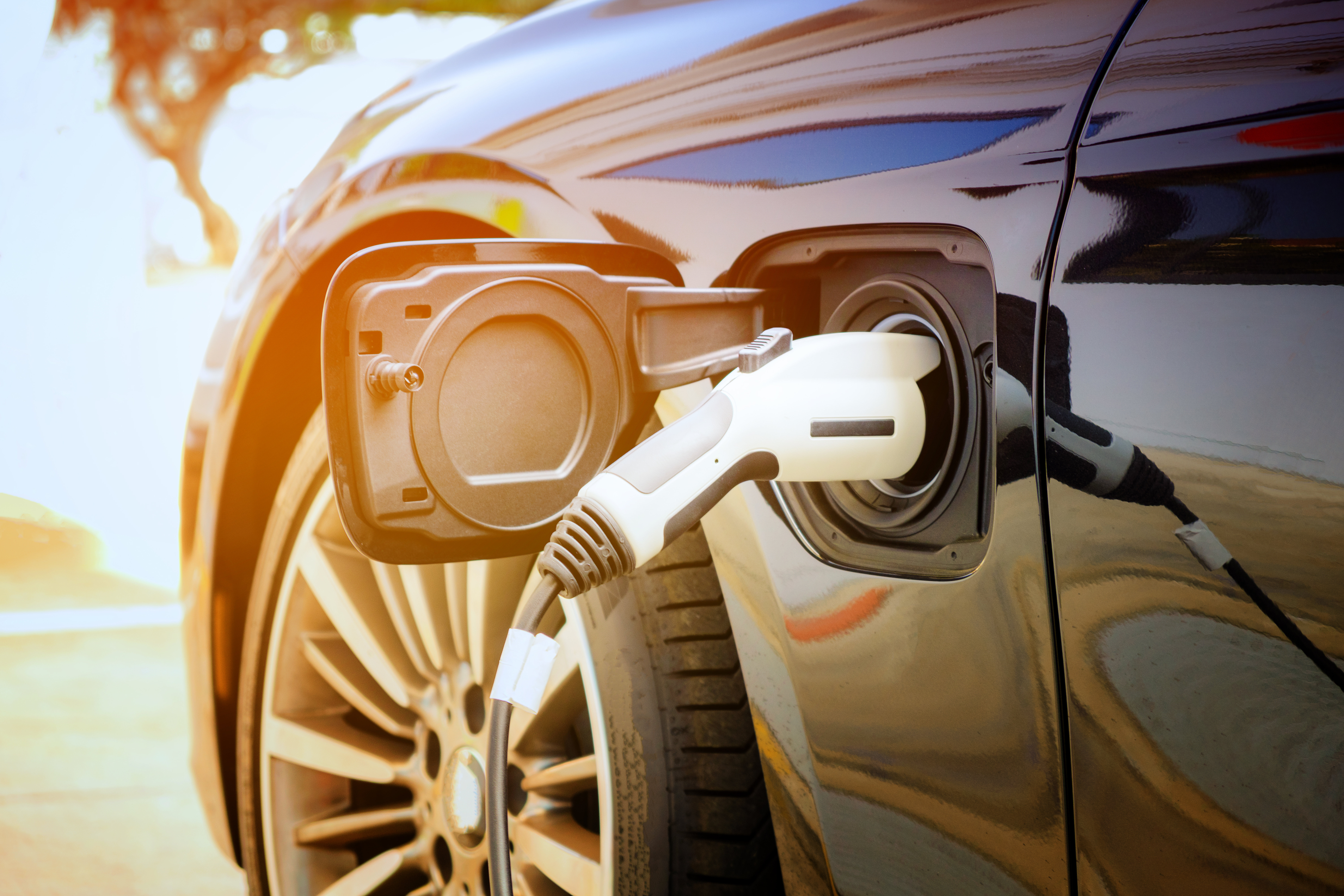
Stellantis, a leading global automaker, is making significant strides in the electric vehicle (EV) sector by investing €38 million ($41 million) in its Verrone plant in Northern Italy. This move highlights the company’s ongoing commitment to the electrification of its vehicle lineup and its key role in the growing EV manufacturing sector in Europe.
The investment will focus on expanding the production of steel components for electric drive modules, which are currently being produced at various Stellantis facilities across Europe. By strengthening its capabilities in Italy, Stellantis aims to support the increasing demand for electric vehicle components and drive the automotive industry’s transition to cleaner technologies.
Production at the Verrone plant is expected to commence by the end of 2027, with the company setting a goal of over 400,000 units annually at full capacity. Stellantis is also exploring the possibility of increasing production by an additional 200,000 units, depending on market conditions and demand in the European automotive sector.
This investment comes at a critical time when the European car market is undergoing a significant transformation. As automakers, including Stellantis, face regulatory pressures like stricter CO2 emission standards, this move reinforces their efforts to meet sustainability targets and drive the shift from traditional combustion engine vehicles to electric alternatives.
In addition to manufacturing new EV components, the Verrone plant will continue to produce transmissions for gasoline-powered vehicles. In 2024, the plant produced over 200,000 transmissions and currently employs approximately 350 people.
Earlier this month, Stellantis’ Jeep brand announced plans to produce the next-generation Jeep Compass in Italy. Set to debut in Europe this spring, the new model will be built on the STLA Medium platform and will offer a diverse range of powertrain options, including e-Hybrid, plug-in hybrid, and fully electric variants, further demonstrating Stellantis’ commitment to expanding its electrification efforts.