The second annual survey on AI in Manufacturing (2024-2025), conducted by Rootstock Software, highlights the growing role of AI in the industry. 90% of manufacturers believe AI is critical to the future, and 77% have implemented some form of AI, up from 70% in 2023. Moreover, 82 percent plan to expand AI budgets in the next 12 to 18 months, reinforcing the growing influence of AI in the manufacturing sector.
Key findings: AI copilots vs. agents: 53% prefer AI co-pilots, who assist workers rather than replace human roles. Only 22% favor autonomous AI agents.
AI adoption trends: Automation (57%) remains dominant, while the use of generative AI increased from 35% in 2023 to 50% in 2024.
Main applications of AI: Manufacturing (31%) and inventory management (28%) lead the way, but supply chain management (49%) and big data analytics (43%) are emerging as key drivers.
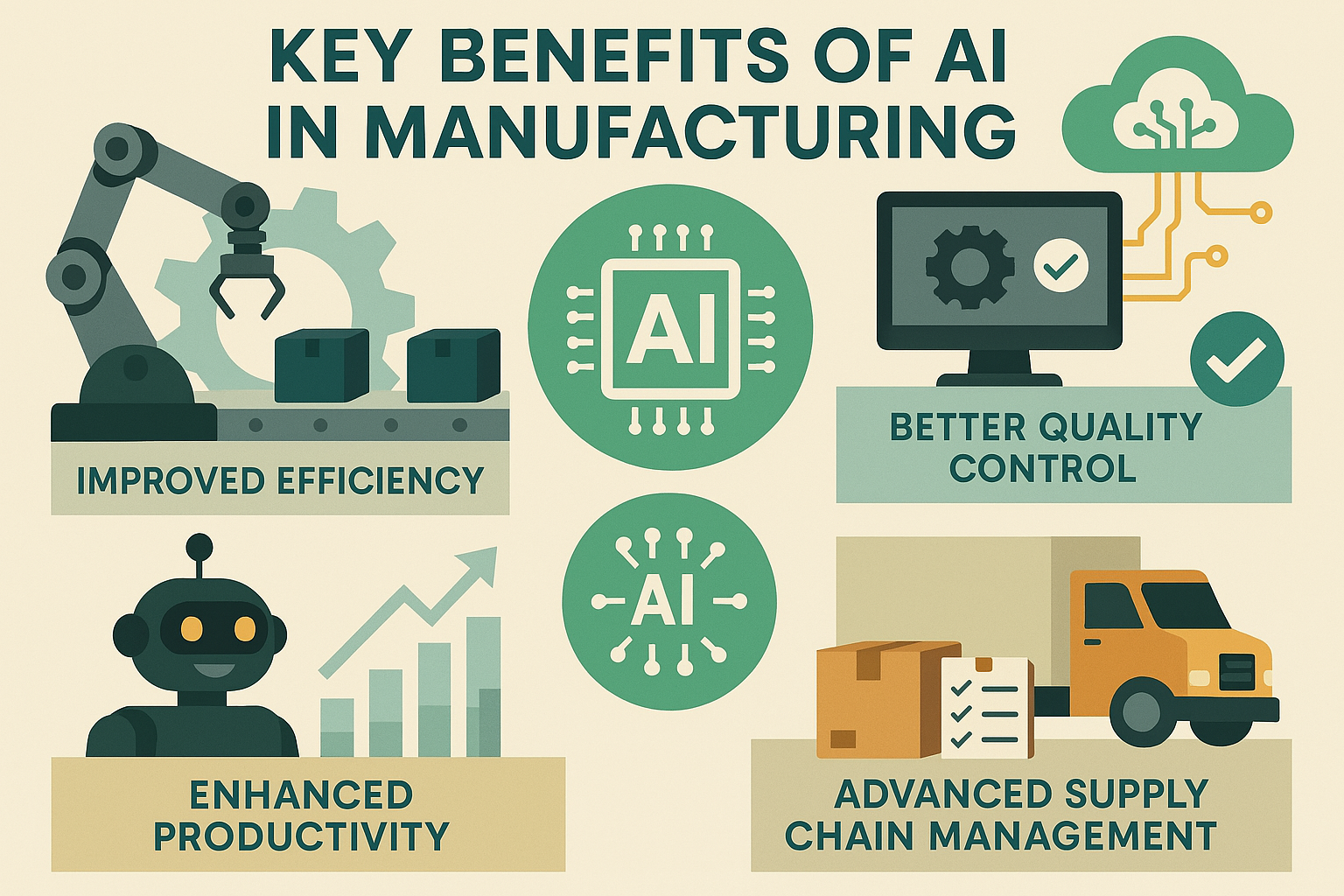
Expected benefitsof AI: Improved efficiency (49%) and productivity (40%) remain the top benefits, with growing interest in quality control and production planning (both 28%).
Challenges to adoption: Lack of in-house expertise (45%) and integration problems (44%) remain the main obstacles, but training and upgrading (60%) are the most common solutions.
Regional differences: Canada leads in AI-powered IoT (70%) and automation (64%). While for the UK it leads in generative AI adoption (57%).
The future of AI in manufacturing: Manufacturing companies are expanding their budgets for AI, with 85 percent increasing their investments by 10 percent or more. AI is increasingly being used to predict production needs, improve inventory management and enhance cybersecurity.
The survey highlights the transformative impact of AI on the manufacturing sector, enabling greater efficiency, data-driven decision making and innovation, while highlighting challenges related to skills and integration.